Lists
10 Free Brain Games Online for Adults: Logic, Numbers, Words and Memory With No App and No Account
Ten free brain games online for adults: logic, numbers, words, planning and memory puzzles that run in any browser with no download and no account.
 By Mahedi Hasan6 min read
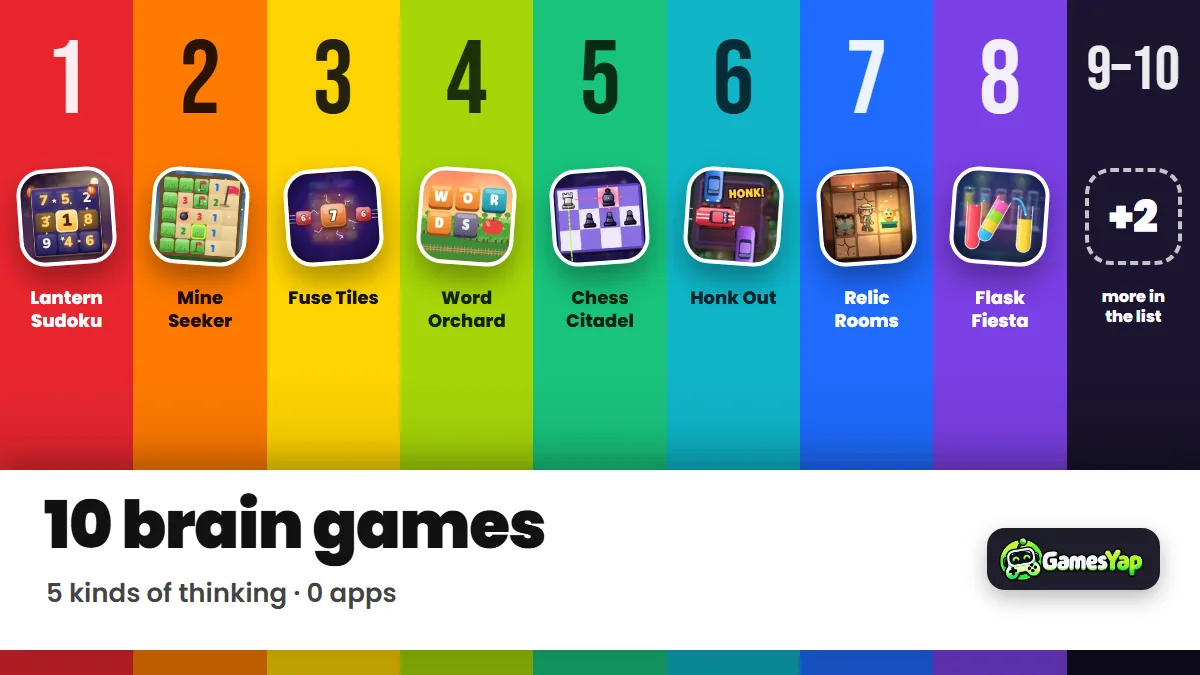
Free brain games online for adults are easy to find and mostly bad: a timer, a score, an advert between every round, and a vague promise about your "cognitive age". This list is the other kind. Ten games on this site that each ask for a specific kind of thinking, logic, numbers, words, planning or memory, that run in any browser with no app and no account, and that are honest about what they are: good puzzles, not medicine.
One claim we'll make and no more: fifteen minutes with a real logic puzzle feels better than fifteen minutes with a feed. Each pick below says what it exercises, how long a session is, and what makes it worth your time.
Logic
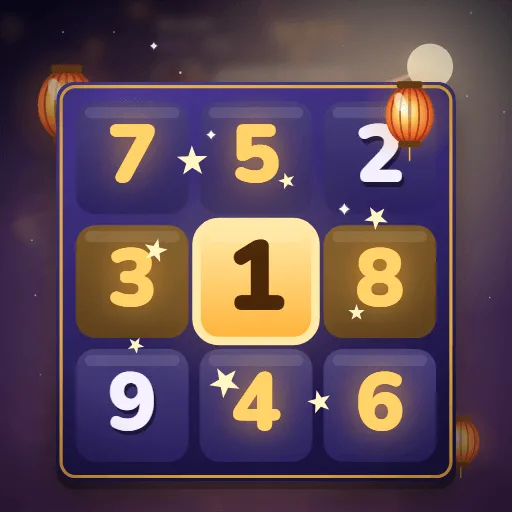
1. Lantern Sudoku — five levels from Starter to Expert, a daily puzzle, and every grid generated with exactly one solution, so you never have to guess. Notes, undo and three hints are built in. A puzzle is 5–20 minutes. The thinking: elimination, and the discipline to pencil in candidates instead of trusting your eye. Our play sudoku online free guide explains how to climb the levels.
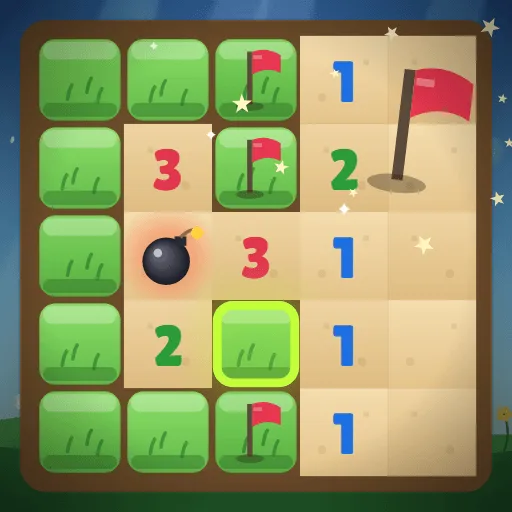
2. Mine Seeker — minesweeper on four boards from 9×9 with 10 mines to Expert 16×30 with 99, and every board is solvable by logic alone: no 50/50 guesses at the end. 2–15 minutes. The thinking: counting constraints, the 1-2-1 and 1-2-2-1 patterns, and knowing when a cell is proven safe. Our minesweeper patterns page is the cheat sheet.
Numbers
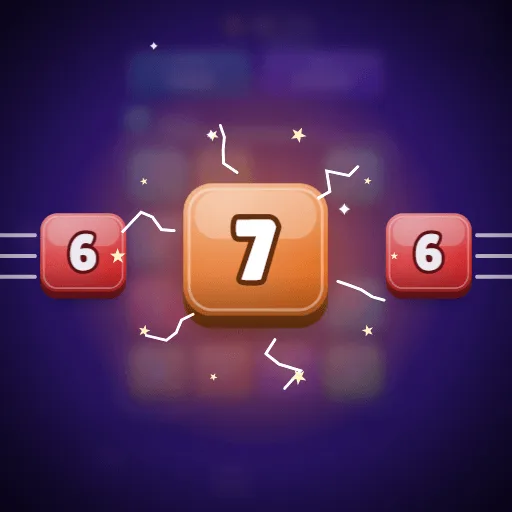
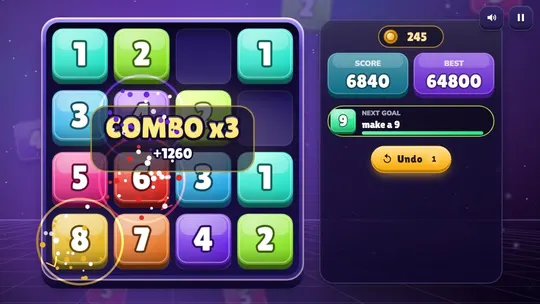
3. Fuse Tiles — the 2048 idea with the numbers made friendly: 1 and 1 make 2, 2 and 2 make 3, so the board reads as levels rather than powers of two. 30 journey stages with a goal and a swipe budget, plus an endless mode with a saved board and undo charges. 3–10 minutes. The thinking: keeping your big tile in a corner and never swiping the one direction that breaks the chain. Our corner method article explains the one rule that matters.
Words
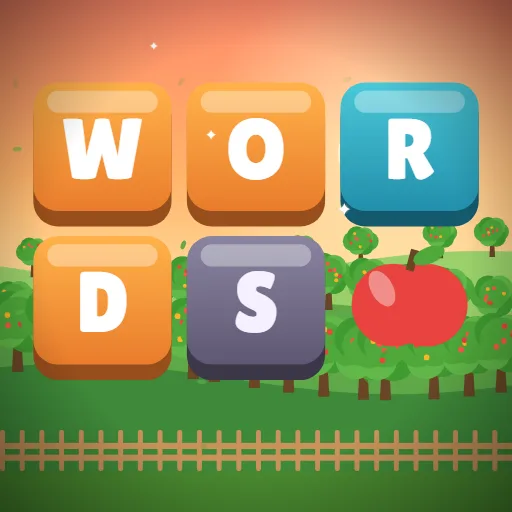
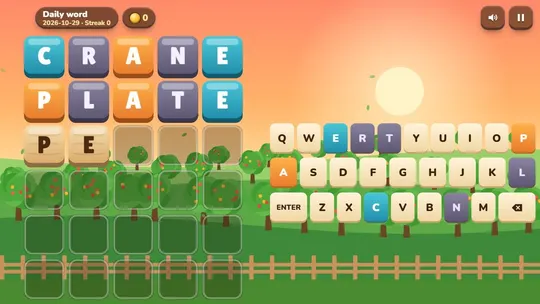
4. Word Orchard — three word games in one. A daily five-letter word with six tries and a streak; a word wheel crossword with 120 levels; and 40 themed word searches. The daily word is 3 minutes; a wheel level is 5. The thinking: letter frequency, and the trick of opening with a word full of common letters. The daily word game guide covers starting words.
Planning
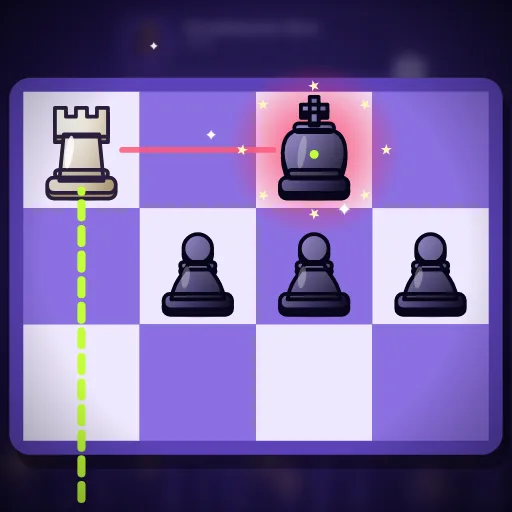
5. Chess Citadel — full chess rules, four opponents from Novice to Hard, a daily checkmate puzzle and a 12-step Puzzle Path that teaches the classic mates. A game is 10–30 minutes; a puzzle is 1. The thinking: calculating two moves ahead, then three. Start with chess for beginners if the pieces are new, and checkmate patterns when they aren't.
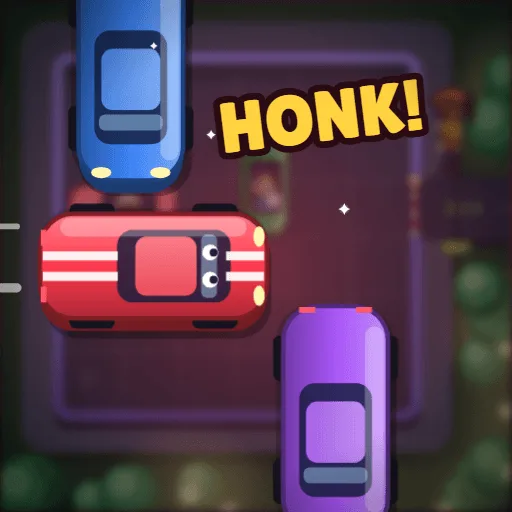
6. Honk Out — a car-parking puzzle: slide cars and trucks along their lanes to free the red car. 64 hand-picked lots from 2 moves to 28, each with a perfect solution and three stars for matching it, plus Valet Rush against the clock. A lot is 1–5 minutes. The thinking: working backward from the exit, which is the same skill as planning anything with a deadline.
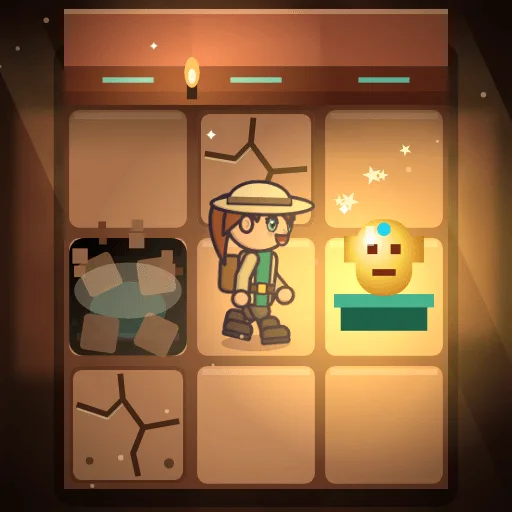
7. Relic Rooms — box pushing in 40 temple rooms: push stone blocks, never pull, grab the relic, reach the stairs. Blocks, pits, pressure plates, keys, ice and cracked floor, with unlimited undo and no timer. A room is 2–10 minutes. The thinking: the one irreversible move. Push a block into a corner and it's stuck forever, which teaches you to see three pushes ahead. Our box-pushing tips cover the corner rule.
Sorting and flow
8. Flask Fiesta — water sort: pour colored layers between flasks until each holds one color. 72 levels, free undo and hints, and a Speed Lab for when you want pressure. 2–6 minutes. The thinking: empty-flask management, the same resource puzzle as a crowded desk.
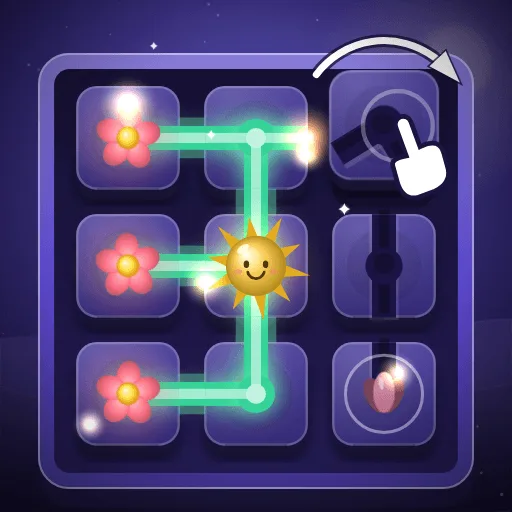
9. Tile Twist — twist path tiles so light flows from the sun to every flower bud, across 36 levels from 3×3 to 7×7 with twin tiles that turn together. 2–8 minutes. The thinking: tracing a flow backward from the dead ends. Calm by design; our relaxing games list has its neighbors.
Memory and attention
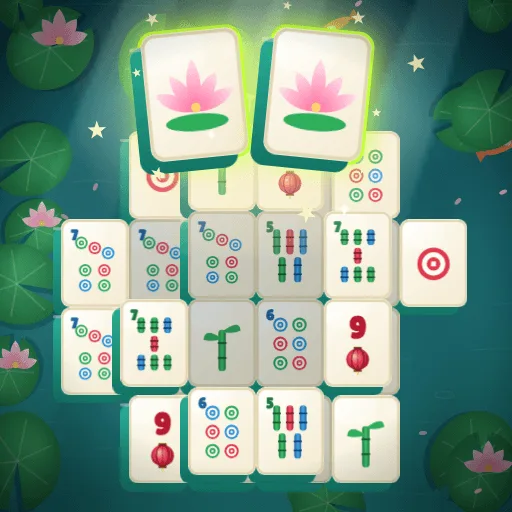
10. Lotus Mahjong — mahjong solitaire on 24 winnable boards, from 32 tiles to the 144-tile Grand Lotus, with a daily board that's the same for everyone and free hint, undo and shuffle. 5–15 minutes. The thinking: holding a map of which tiles are free in your head while you scan for pairs, which is attention and working memory in one exercise. The mahjong solitaire guide has the "clear the tall stacks first" rule.
How to make a daily habit of it
- Pick two, not ten. A daily sudoku and the daily word is a habit; a different game every day is a browse.
- Use the dailies. Six of the ten have a daily puzzle that's the same for everyone and pays bonus coins once a day. They're a fixed-length session with an end, which is the whole point.
- Turn hints off in your head. The hints in these games are free and good. Use one only when you've been stuck for a full minute; the stuck minute is where the exercise is.
- Don't chase the score. Stars and best times are there if you want them. None of these games punish you for being slow, and most of them save a half-finished puzzle for tomorrow.
For more puzzles of the fit-and-clear kind, our top 10 free puzzle games list overlaps with this one in places and adds block and pipe puzzles; the brain category is everything in one place.
FAQ
Are these brain games free?
Yes. All ten run free in a browser on a phone, tablet or computer with nothing to download and no account needed. Coins earned by playing unlock board styles, tile skins and outfits that change looks only. There's nothing to buy with money and no "premium" puzzles.
Do brain games actually improve memory or prevent decline?
We don't claim that, and you should be wary of games that do. What a good logic puzzle reliably gives you is a focused, calm fifteen minutes with a problem that has an answer, and most people find that better than the alternatives. If you want a cognitive-health plan, that's a conversation for a doctor, not a games site.
Which is best for someone who has never played puzzle games?
Lantern Sudoku on Starter, Mine Seeker on Easy 9×9 and Honk Out's first chapter. Each has a guided first game, free hints and undo, and no timer, so you can learn the logic without pressure. Word Orchard's daily word is the easiest to pick up if words are more your thing than numbers.
Can I play them without an account?
Yes. Every game opens and saves progress in your browser as a guest. A free GamesYap account, for players 13 and over, keeps stars, coins and streaks across devices and earns points from play; it's optional.
Do they work on a phone?
Yes. All ten are built for touch first, in portrait or landscape, and also take a mouse and keyboard on a computer. Chess Citadel, Mine Seeker and Honk Out have full keyboard controls for people who prefer them.